Make the platform concrete
Translate a new mobile architecture into features developers can understand, test, and use immediately.
Career artifact · Microsoft era
Two days of teaching, building, and bringing a new mobile platform to life in Boston.
A hands-on Windows Phone developer event where students and professional developers learned the platform, built together, and worked directly with Microsoft's regional evangelism team.
Teach it, then build it
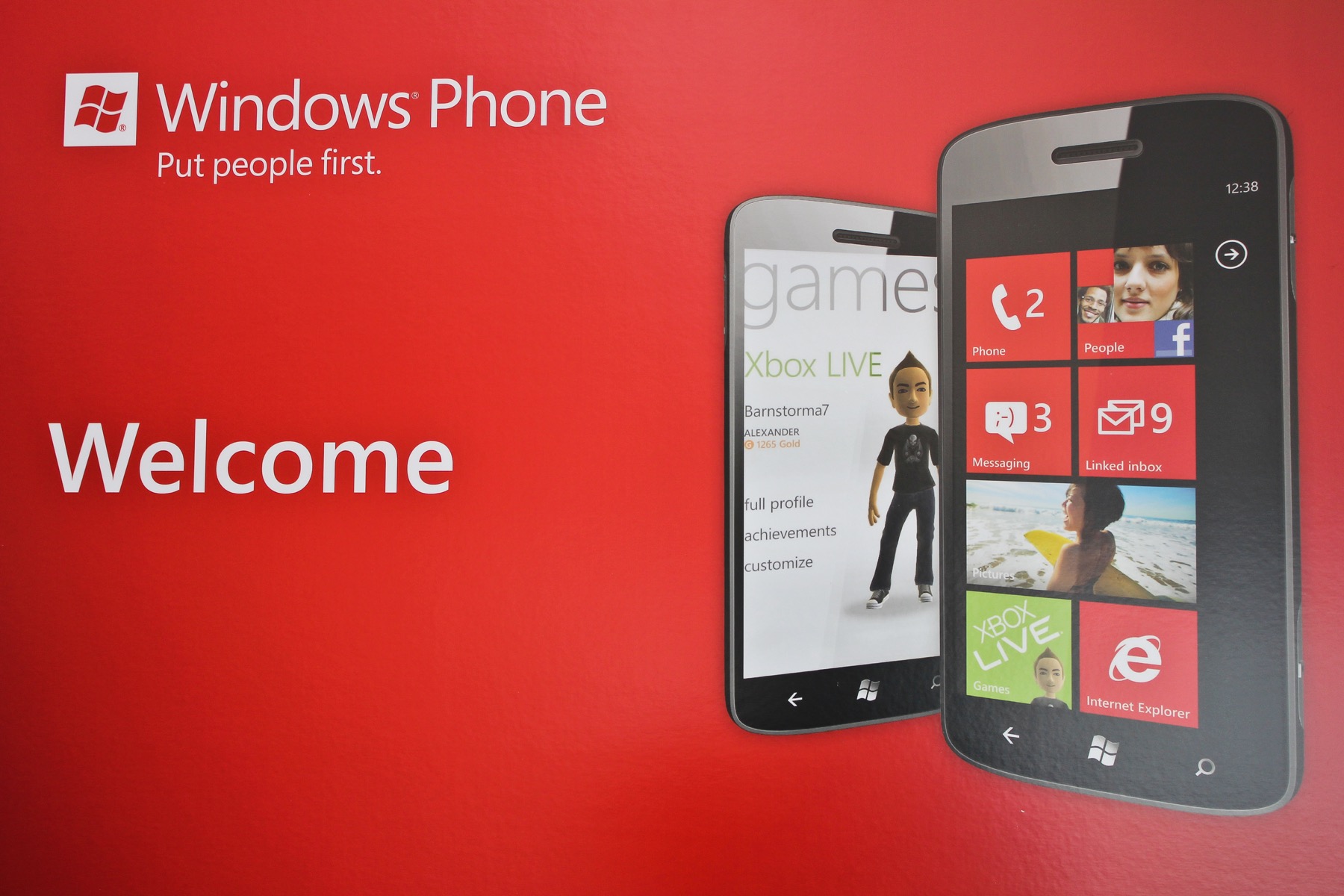
Windows Phone represented a sharp break from the mobile interfaces developers already knew. Its Metro design language emphasized typography, motion, people, and glanceable information. A hackathon was the right format for that moment: explain the platform's distinct ideas, put the tools into developers' hands, and stay close while concepts became working applications.
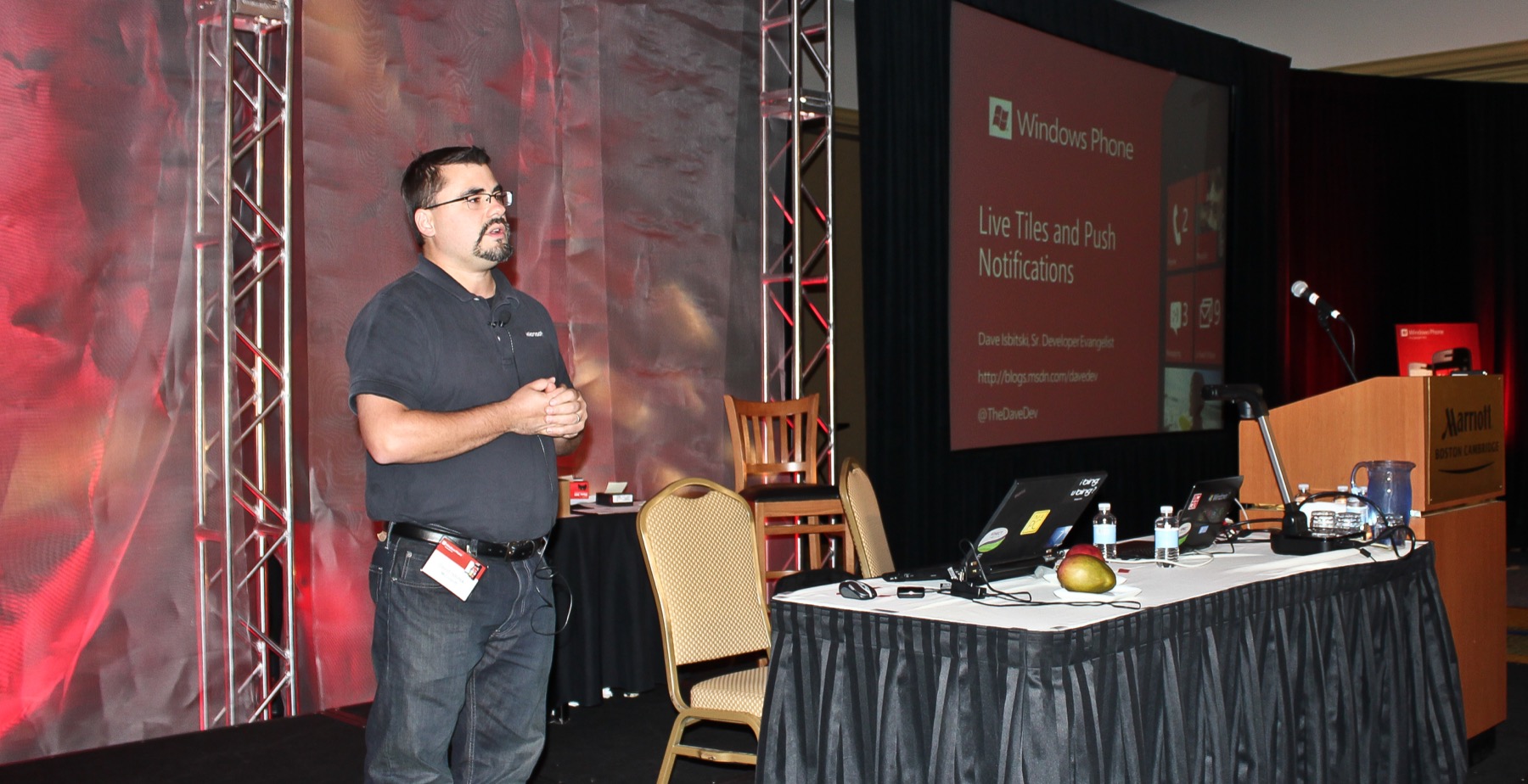
My session focused on Live Tiles and push notifications. These were not ornamental features. They were part of the operating system's core promise that an application could remain useful from the Start screen, surfacing timely information without requiring someone to open it first.
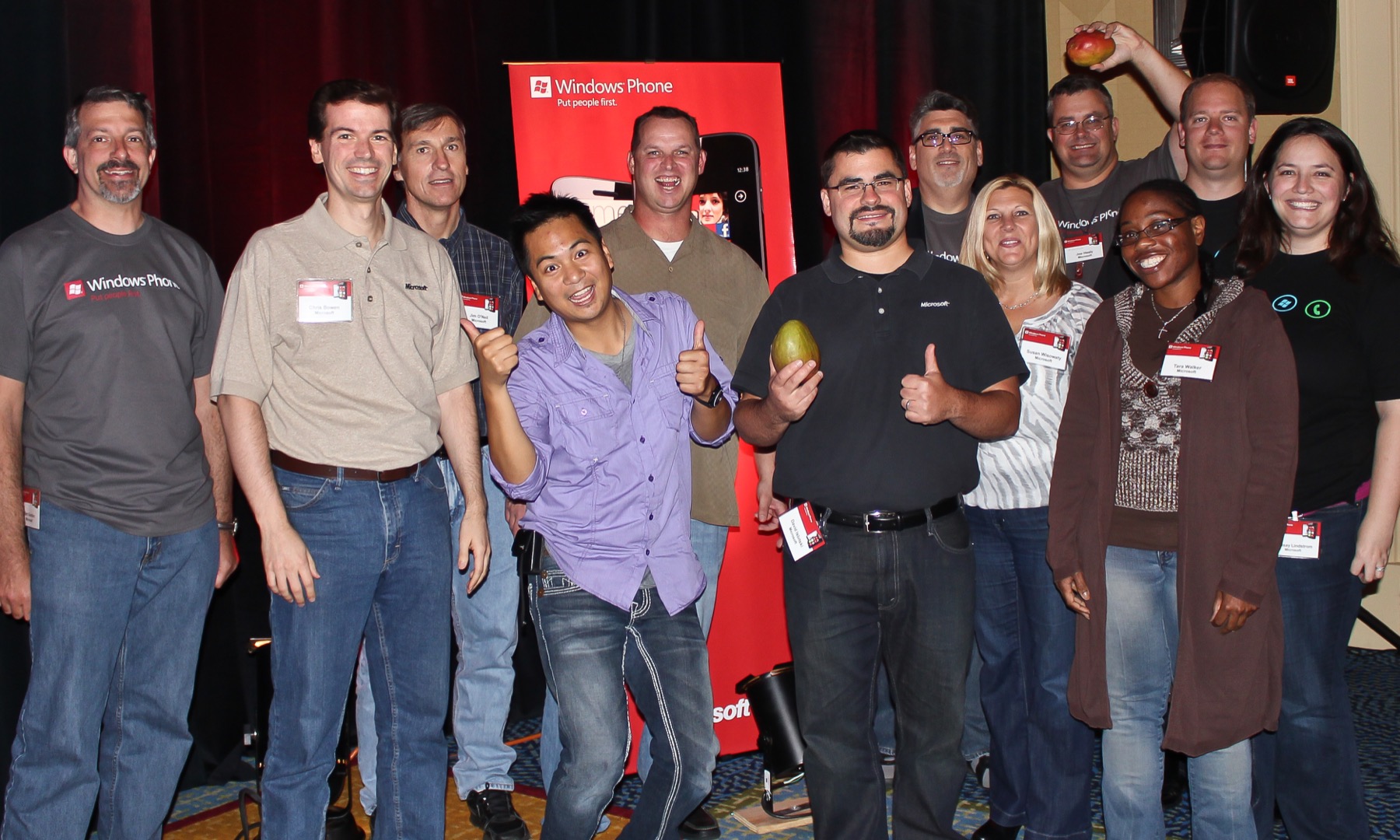
The surviving photographs also preserve the human system around the technology. The final team portrait shows the Microsoft staff, organizers, and community members who made a two-day learning and building environment possible inside a Boston hotel ballroom.
New platforms do not grow through announcements alone. Developers need a room, working code, people who can answer the hard questions, and enough time to build. Career perspective · Windows Phone era
The developer-relations loop
Translate a new mobile architecture into features developers can understand, test, and use immediately.
Live Tiles and push notifications showed how Windows Phone could make apps feel alive beyond their own screens.
A hackathon turns a presentation into a working relationship among developers, organizers, and the product team.
Inside the Boston event
Public record